

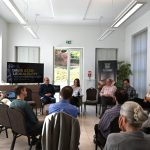
Kateřina Štroblová angol nyelvű előadása a Hild-villában
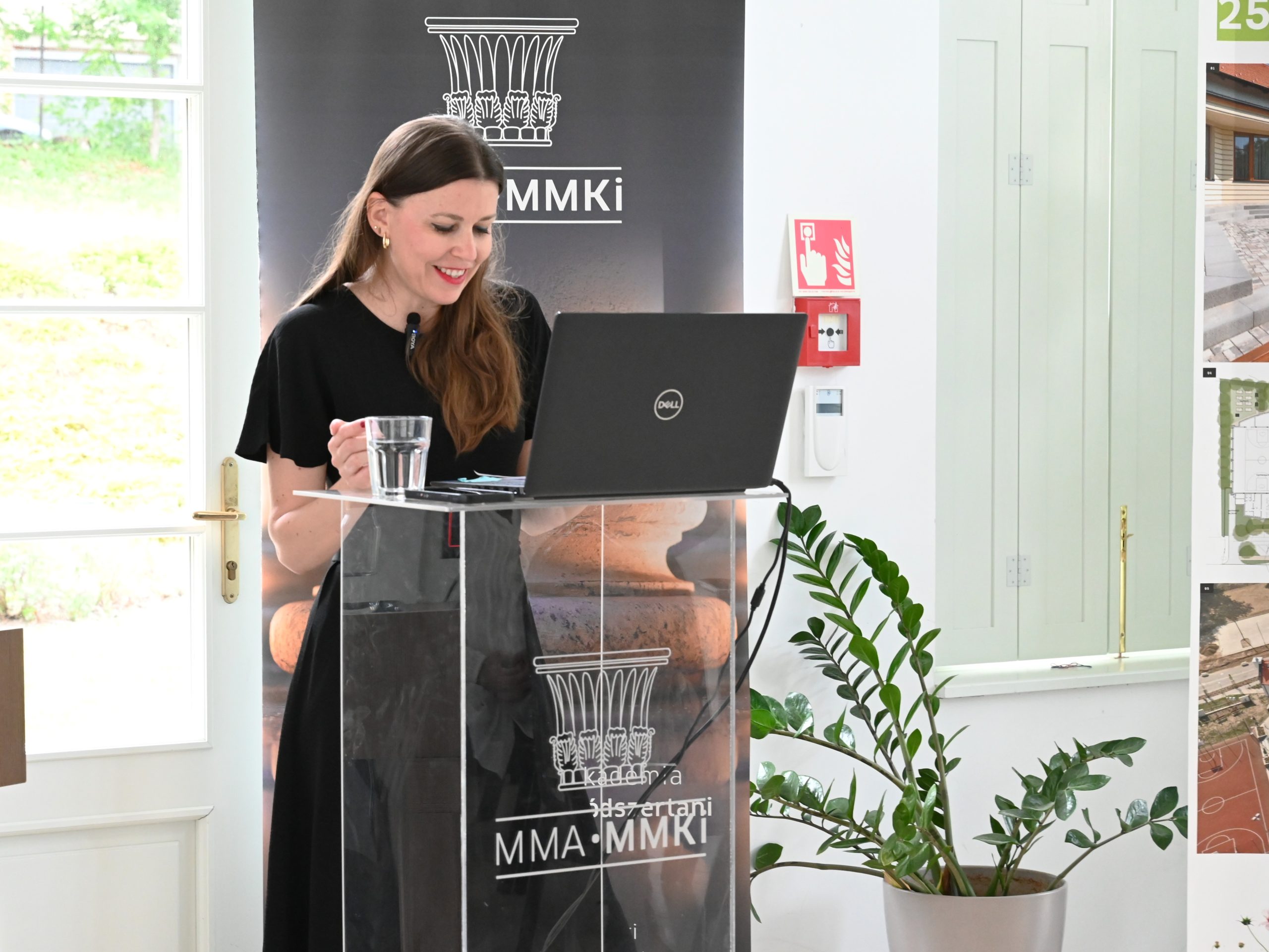
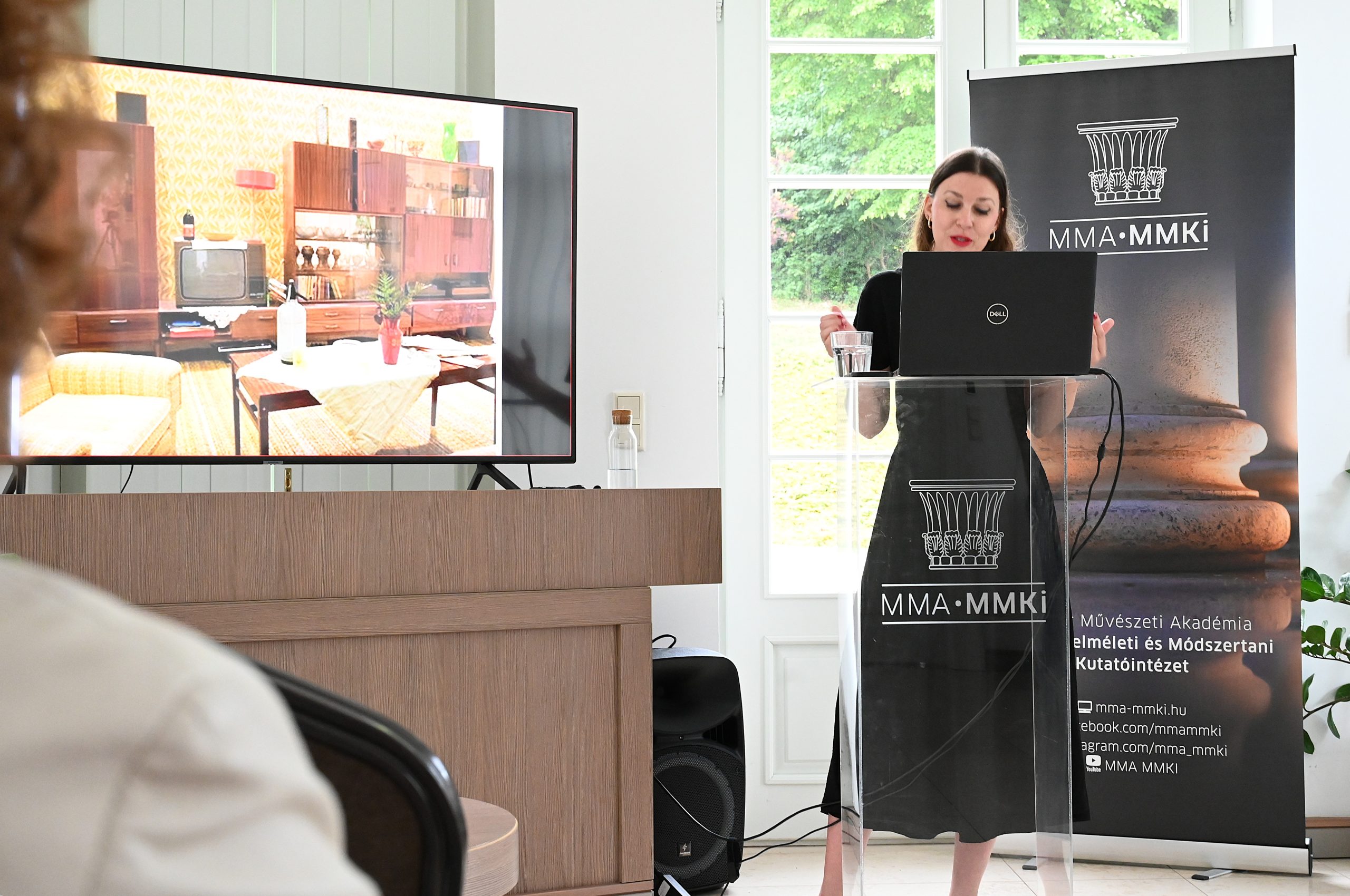
Vernacular Aesthetics and the Material Memory of Recent Past in Contemporary Central European Art címmel tartott angol nyelvű, hibrid előadást Kateřina Štroblová cseh művészettörténész 2026. május 7-én a Magyar Művészeti Akadémia Művészetelméleti és Módszertani Kutatóintézet (MMA MMKI) szervezésében a Hild-villában.
Az Ostrava-i és a Prágai Egyetem adjunktusának előadása azt vizsgálta, hogy a közép-európai kortárs művészet hogyan viszonyul a mindennapi szocializmus tárgyi maradványaihoz, és ezeket a formákat hogyan lehet a népi esztétika fogalmán keresztül értelmezni.
Ahelyett, hogy a korszakot monumentális ikonográfián vagy kifejezetten politikai narratívákon keresztül közelítenék meg, a régió kortárs művészei közül sokan a mindennapi élet látszólag marginális elemeire összpontosítanak. A lakóterek, a lakótelepek, a formatervezés töredékei vagy a beépített környezetbe ágyazott, elavult tárgyak mind a kulturális emlékezet hordozóiként jelennek meg.
Štroblová az elméleti előadás során bemutatta, miként válnak az archív munkák, a dokumentarista formák és a közelmúlt úgynevezett „háztartási régészete” olyan reflexiós felületekké, amelyek segítenek közvetíteni a személyes emlékezet, a kollektív történelem, valamint a posztszocialista társadalmak változó politikai képzelete között.
Vernacular Aesthetics and the Material Memory of Recent Past in Contemporary Central European Art
The lecture examines how contemporary art in Central Europe engages with the material residues of everyday socialism and how these forms may be understood through the concept of vernacular aesthetics. Rather than addressing socialism through monumental iconography or explicit political narratives, many artists focus on the seemingly marginal elements of everyday life: domestic interiors, urban housing estates, fragments of design, or obsolete objects embedded in the built environment.
Approaching these elements as carriers of cultural memory, the lecture situates contemporary artistic practices within broader theoretical frameworks of memory studies, the historiographic turn in art, and the anthropology of material culture. Particular attention is given to artistic strategies such as archival work, documentary forms, and what might be described as a “domestic archaeology” of the recent past. Through these practices, artists transform ordinary material environments into sites of reflection, revealing how vernacular visual culture mediates between personal memory, collective history, and the shifting political imaginaries of post-socialist societies.
LECTURER: Kateřina Štroblová
Department of the Theory and History of Fine Arts, University of Ostrava
Department of Social Sciences, University of Finance and Administration Prague
Galéria

 Újdonság!