



The Touch of Time – Contemporary Hungarian Art in Kraków
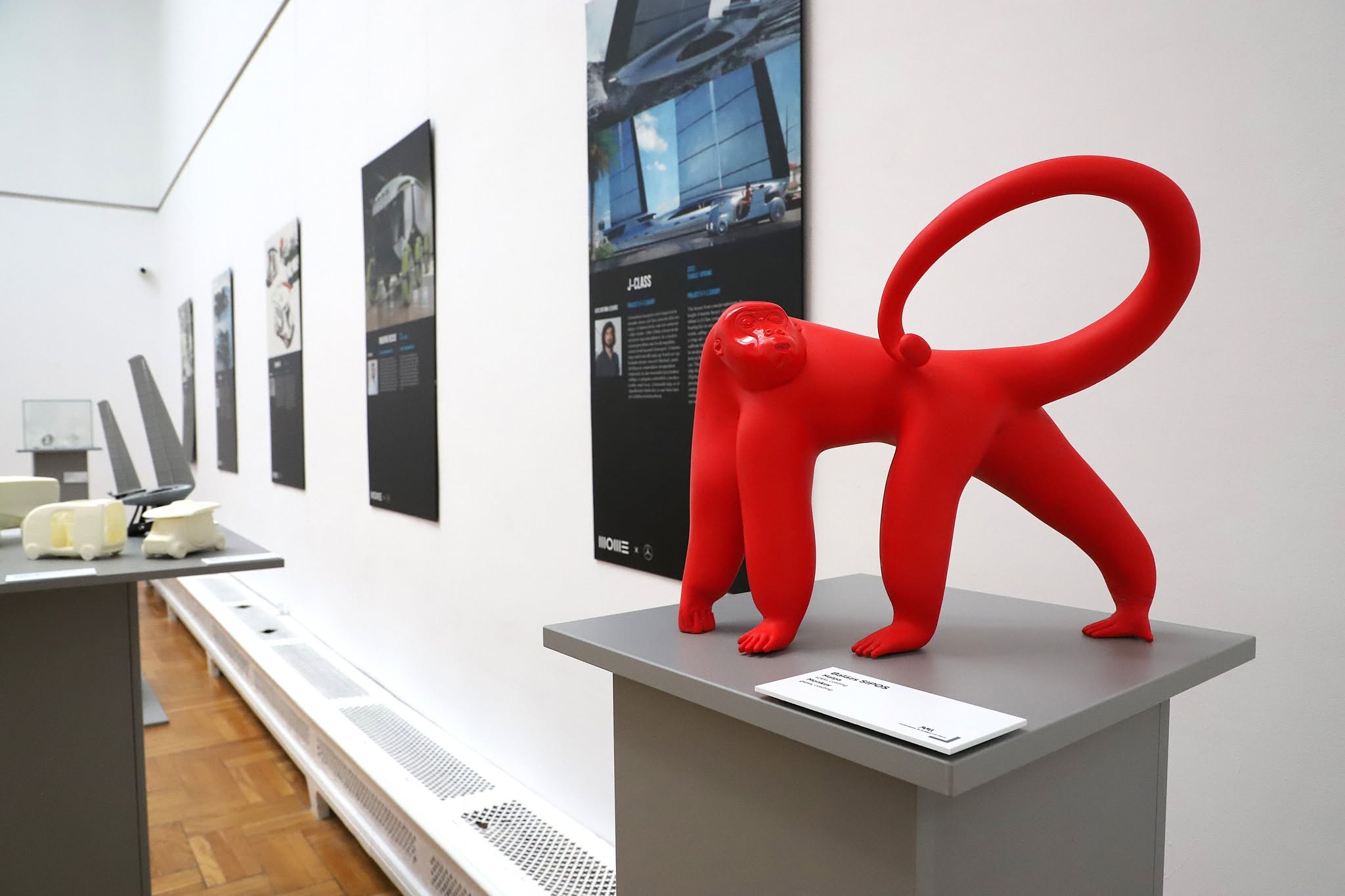
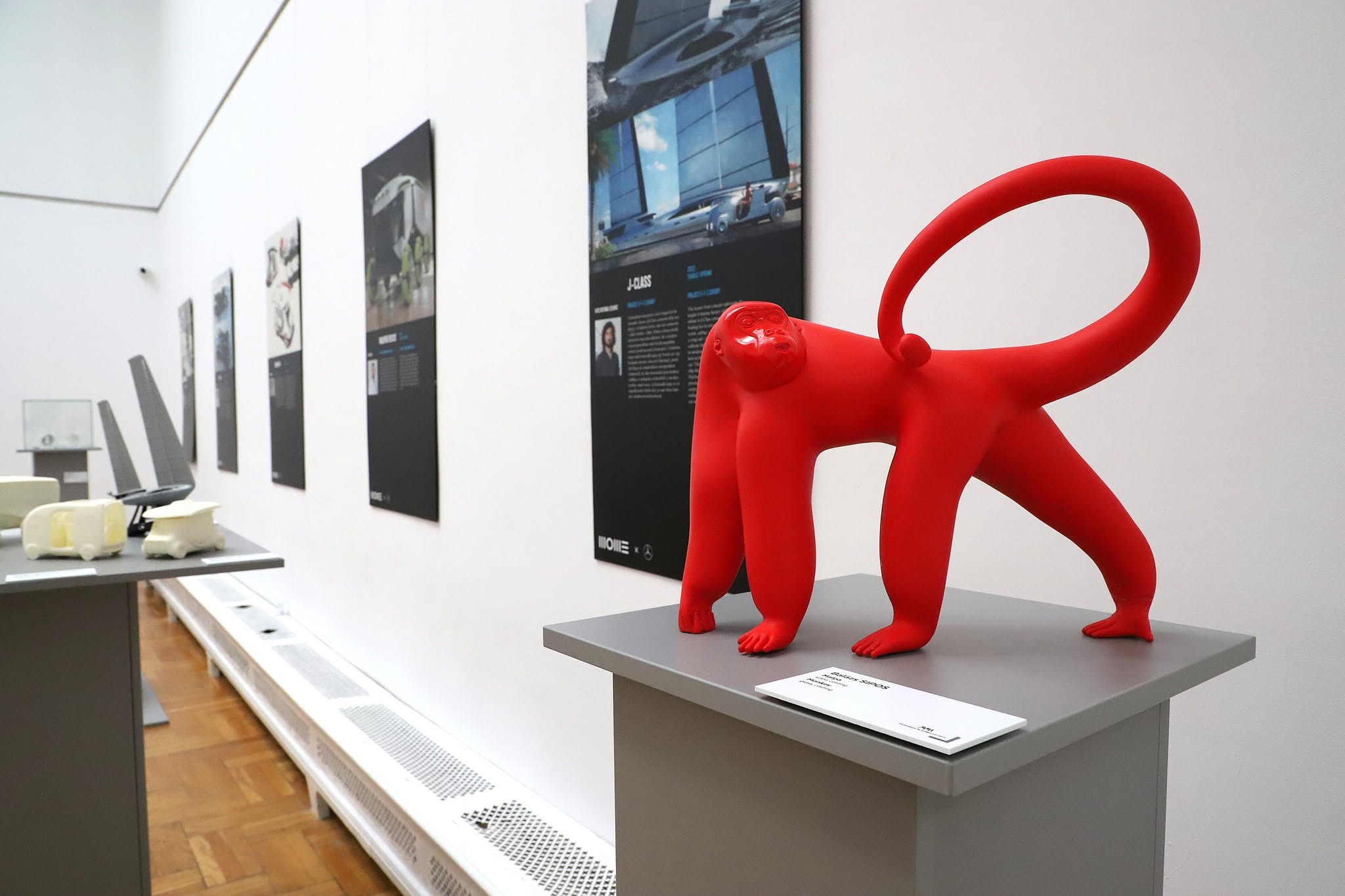
From 12 June 2026, the Palace of Fine Arts in Kraków will be displaying the grandiose, multigenerational visual and applied artworks by creators, designers and illustrators of the Hungarian Academy of Arts. A showroom of approximately 800 square metres provides the space for this exhibition. The Touch of Time isn’t just a showcase of Hungarian contemporary visual arts, but a reflection of the centuries-old historical and cultural fate shared by the two nations.
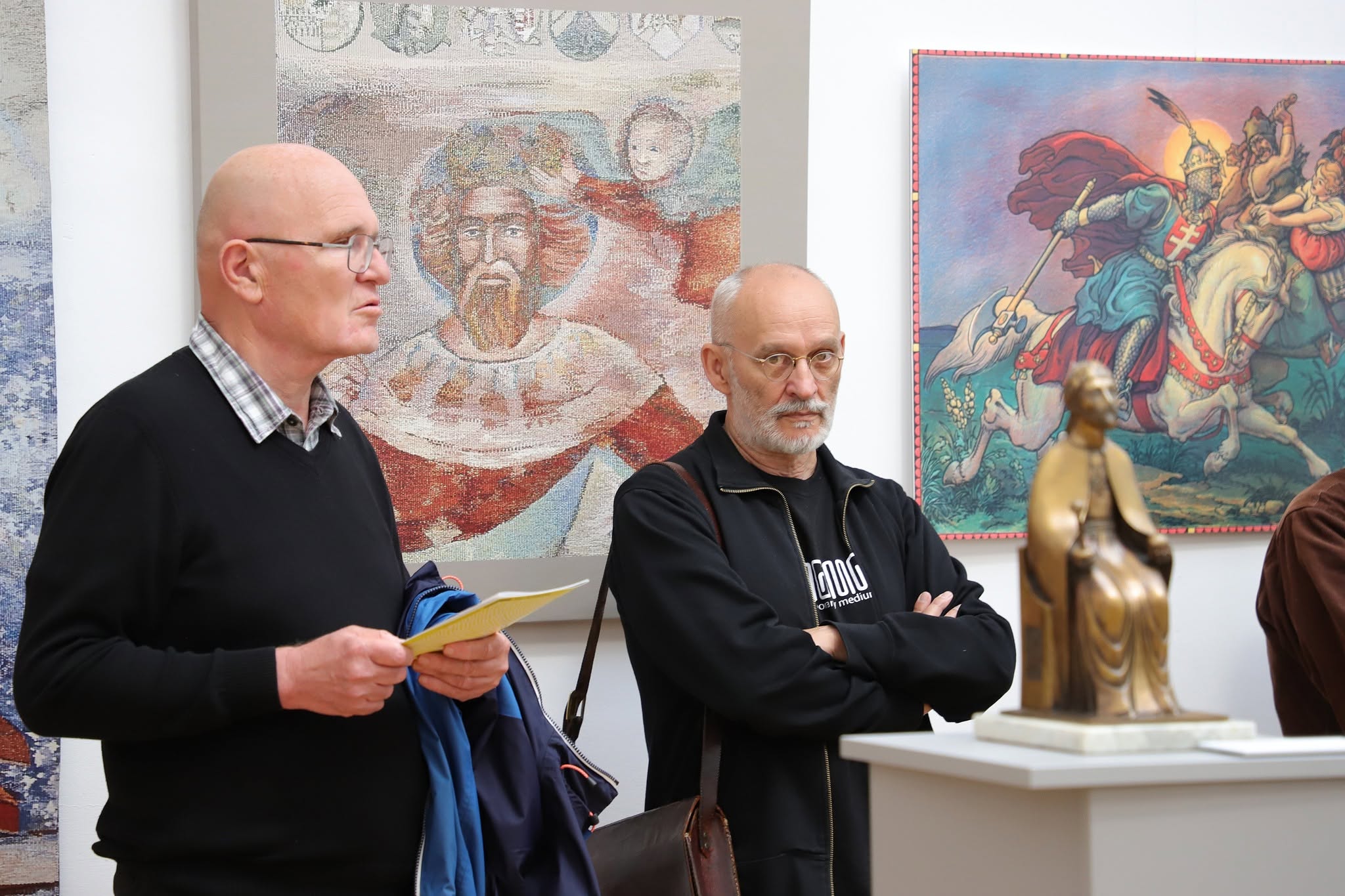
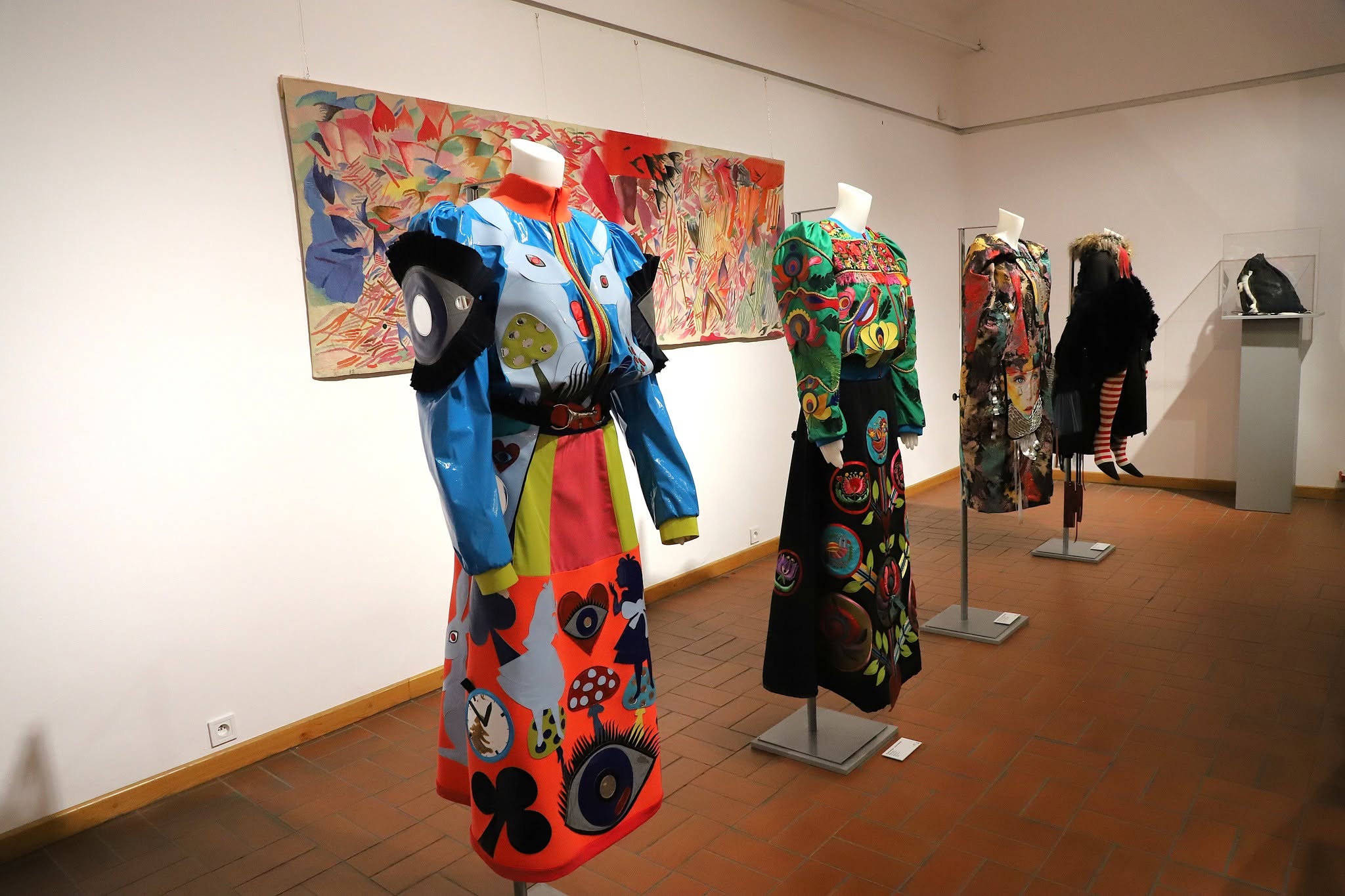
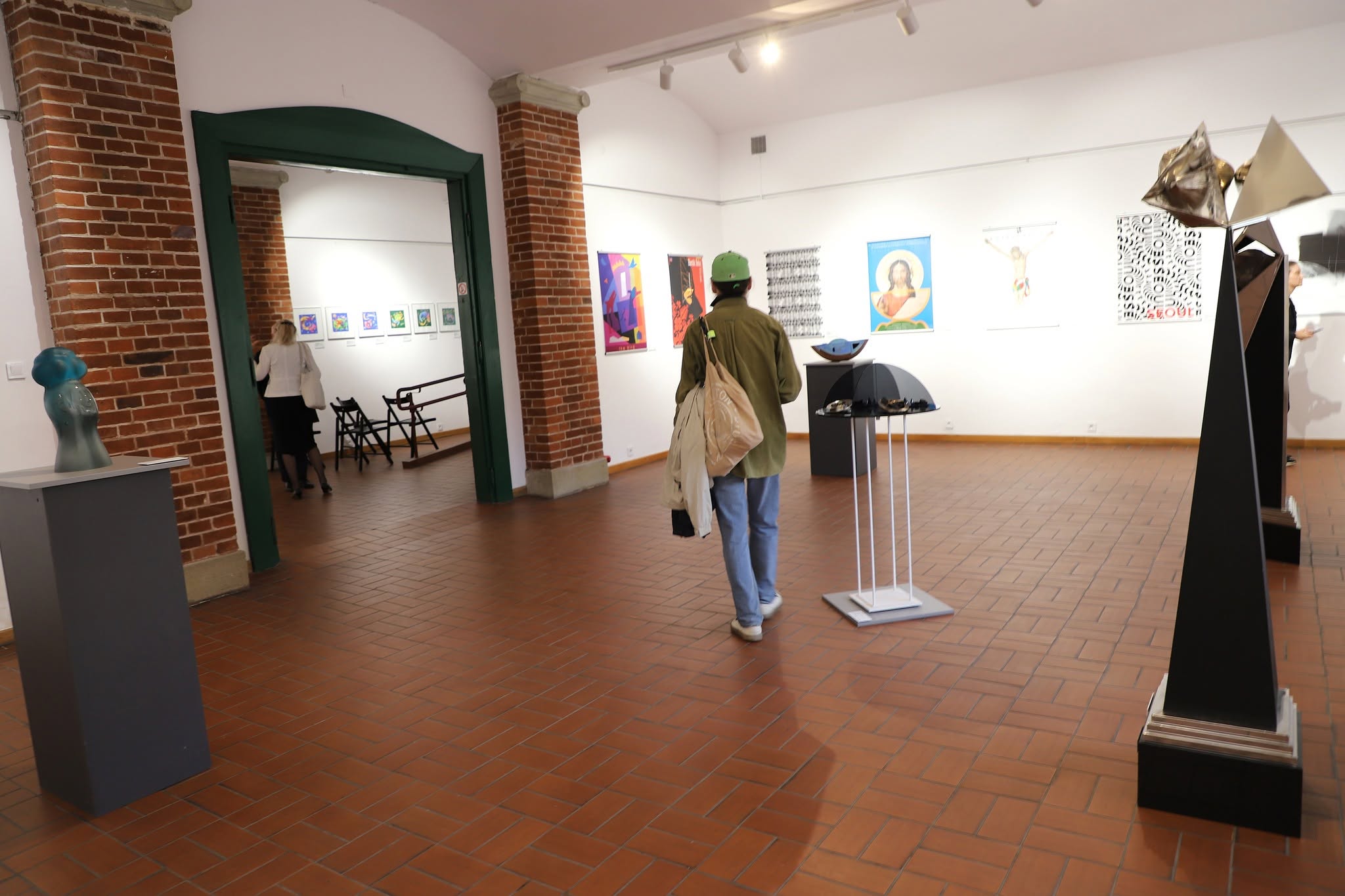
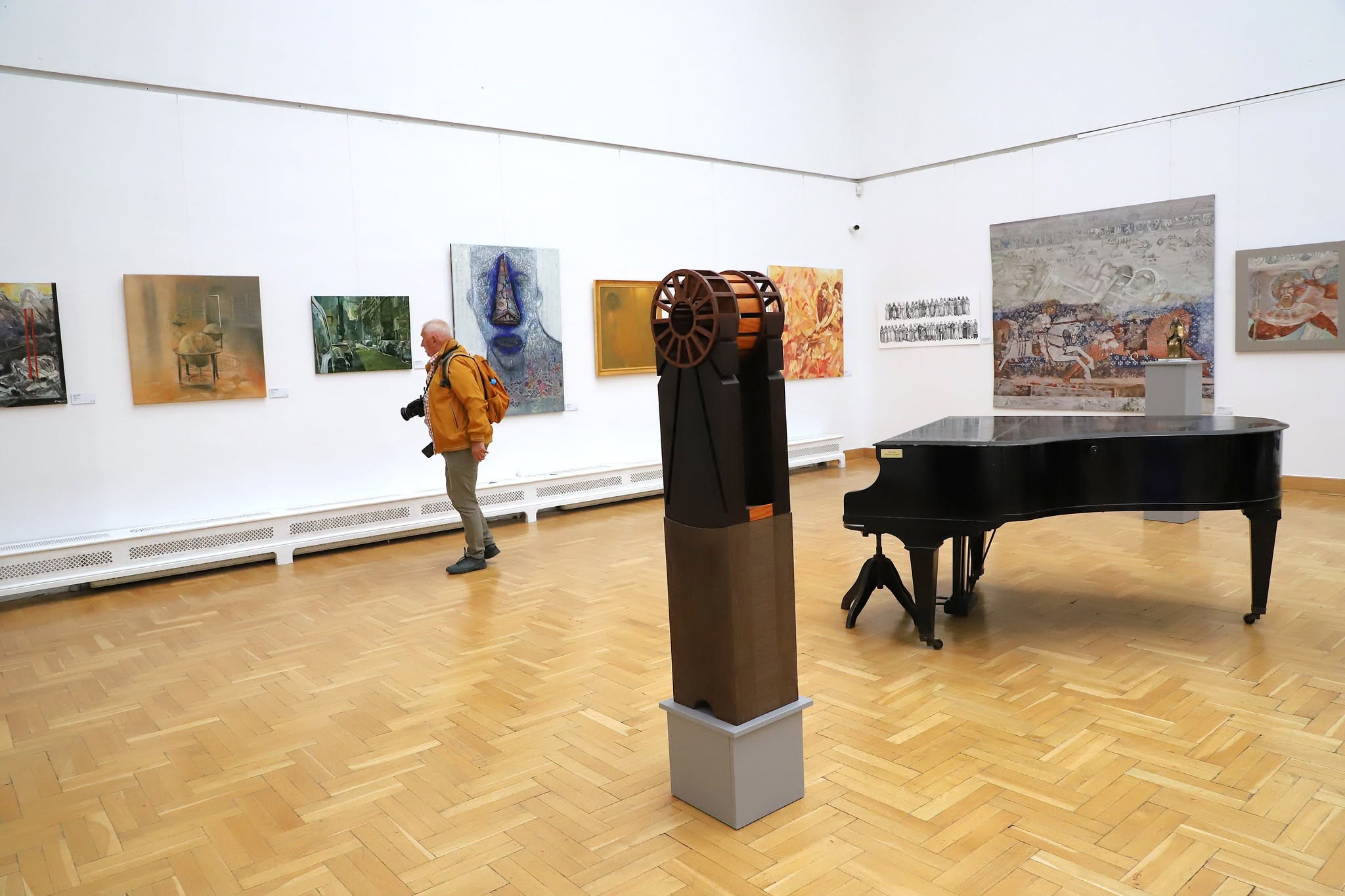
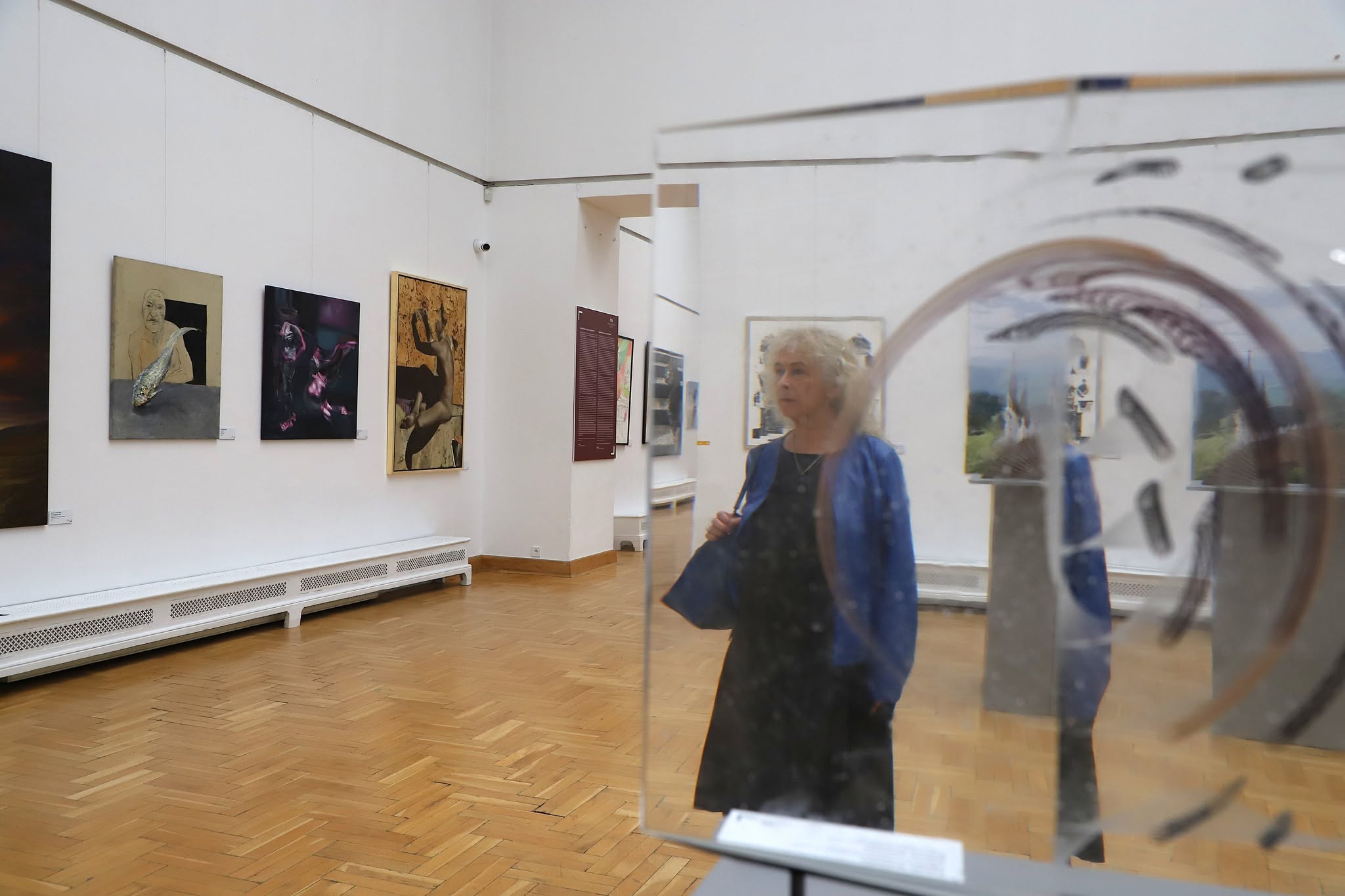
The exhibition aims to realize an interdisciplinary “Hungarian vision”, consisting of multiple art forms revealing themselves through dynamic dialogues between one another. The collection consists of paintings, sculptures, prints, vehicle designs, decorative furniture, monumental architectural plans, and artworks of metal, ceramics, glass and textiles, all complementing each other and surpassing the standards of their medium.
What makes this exhibition with more than 100 artists so special is the resonance of different generations: visitors have the opportunity to ponder the works of academics and members of the Hungarian Academy of Arts alongside the products of scholarship recipients, representing the younger generations.
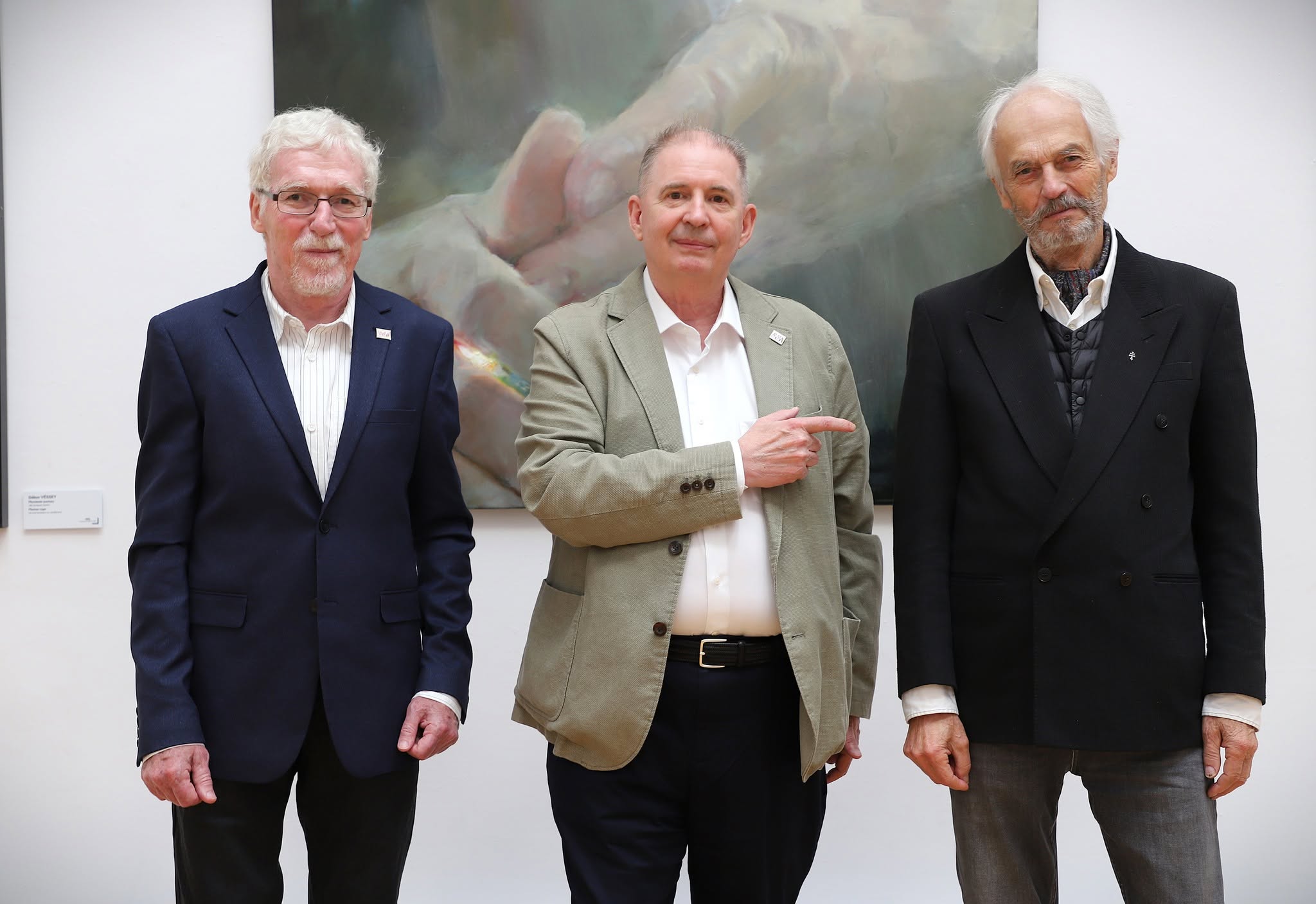
Graphic artist Ernő Sára, painter László Szotyory and graphic artist Tamás Felsmann form the curatorial team.
List of featured artists: Krisztián Ádám, Attila Adorján, Pál Antal, József Árendás, Zita Attalai, József Baksai, István Bakos, Dóra Balla, Edit Balogh, Eleonóra Balogh, Márton Barabás, Zsombor Barakonyi, Ferenc Baráth, Péter Borkovics, Teréz Borza, Lotte Budai, Ferenc Cakó, Lajos Csontó, Eszter Csurka, Antoni Doncsev, Krzysztof Ducki, Károly Elekes, Alajos Eszik, Ádám Farkas, Imola Farkas, Tamás Felsmann, József Gaál, György Jovián, László Kálmán, Tamás Kárpáti, Csilla Kelecsényi, András Kerékgyártó, Dóra Keresztes, Krisztina Kókay, Pál Koós, Tamás Kótai, Virág Kő, Attila Kondor, István Kulinyi, Géza Laczák, Gábor Lajta, Ida Lencsés, Jenő Lévay, Zsigmond Lucza, András M. Novák, Áron Majoros, Imre Makovecz, László Mátyássy, Hella Mayer, Gyula Molnár, Imre Molnár, Katalin Nádasdy, Judit Nagy, Júlia Néma, György Olajos, István Orosz, Sára Osgyányi, Tibor Palkó, Tibor Pataki, Antal Pázmándi, Zsuzsa Péreli, István Regős, Sándor Reisenbüchler, Sára Richter, Ferenc Rófusz, Tamás Sára, Ágnes Szalma, György Szemadám, Ágnes Szmetana, László Szotyory, Miklós Szőcs TUI, András Szunyoghy, József Szurcsik, Balázs Barnabás Telegdi, Ferenc Tepes, Angelika Tóth, Tamás Tóth, Kata Töttös, Gábor Ulrich, Péter Üveges, László Varga-Amár, Péter Varga, György Verebes, Ági Verebics, Katalin Verebics, Gábor Véssey, Ottó Vincze, József Zalavári
Animation filmmakers: Ferenc Cakó, Marcell Jankovics, Sándor Reisenbüchler, Ferenc Rófusz
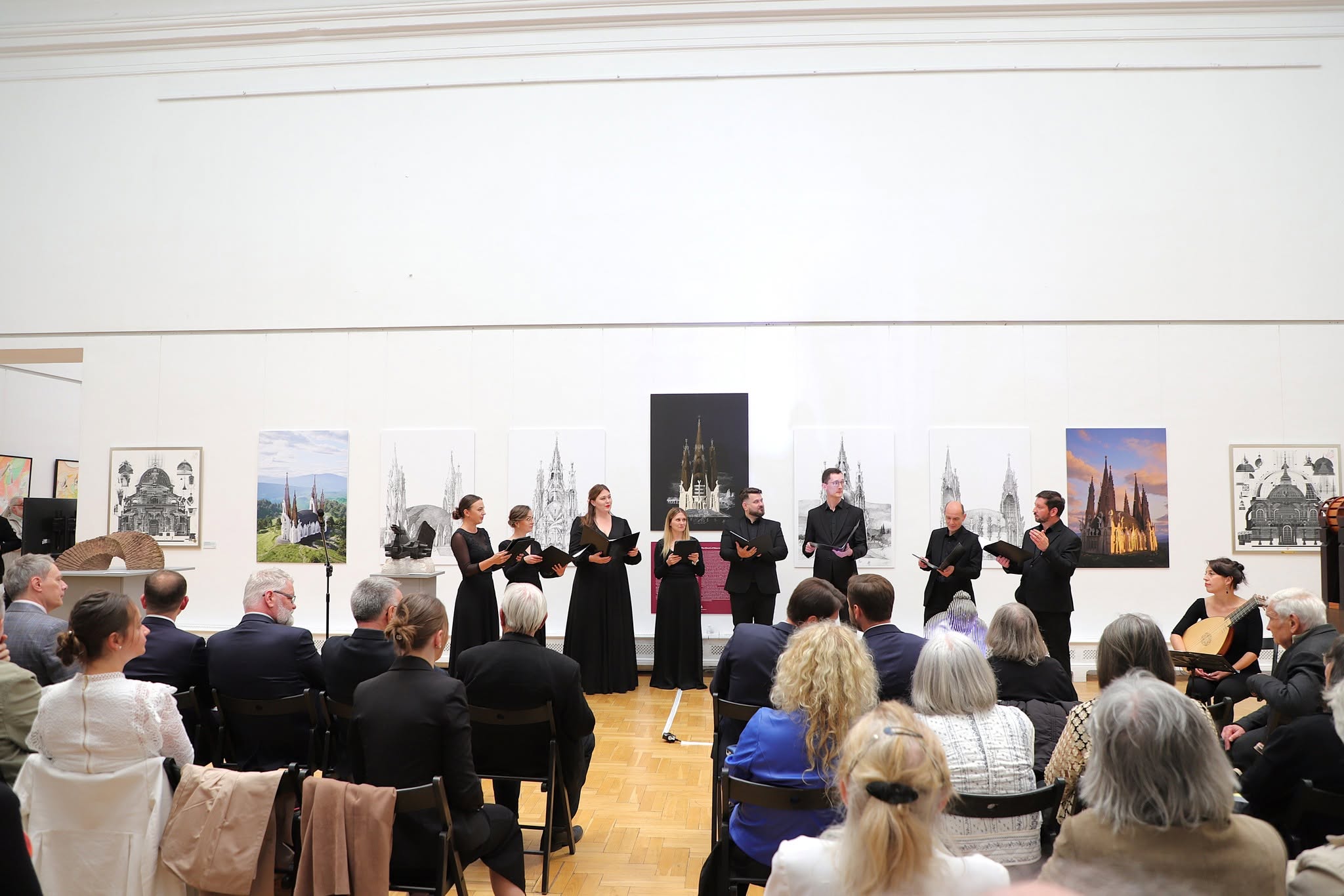
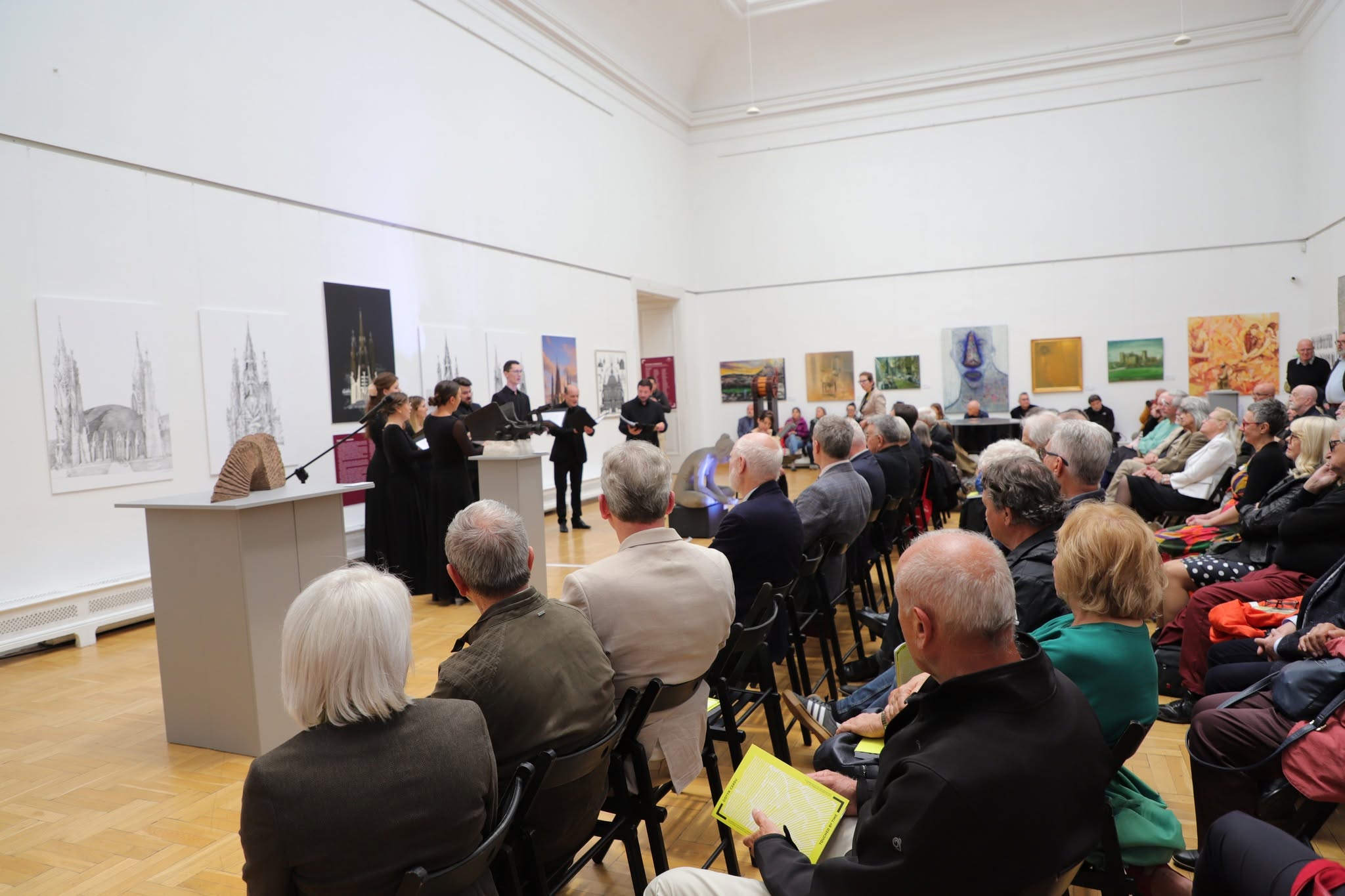
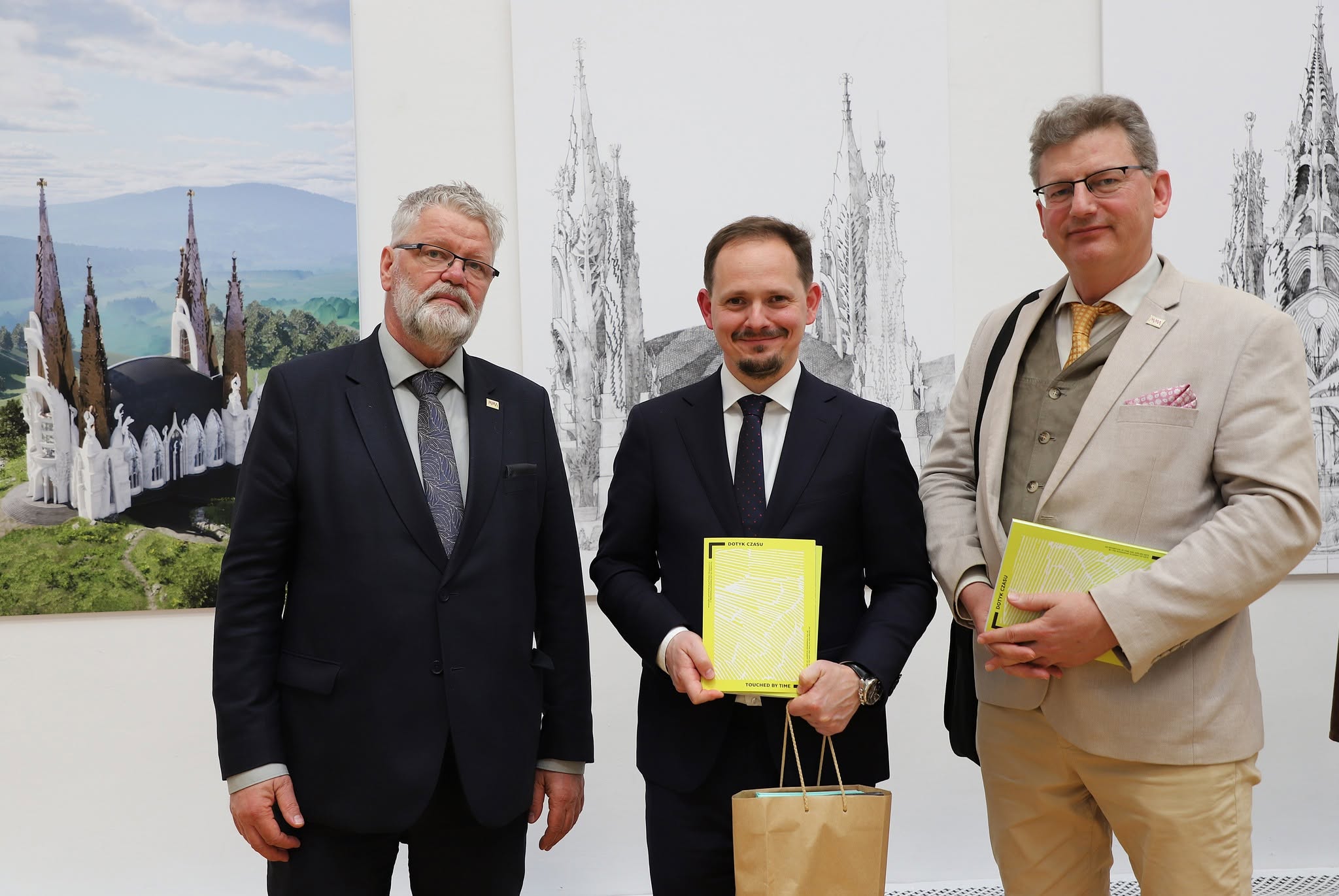
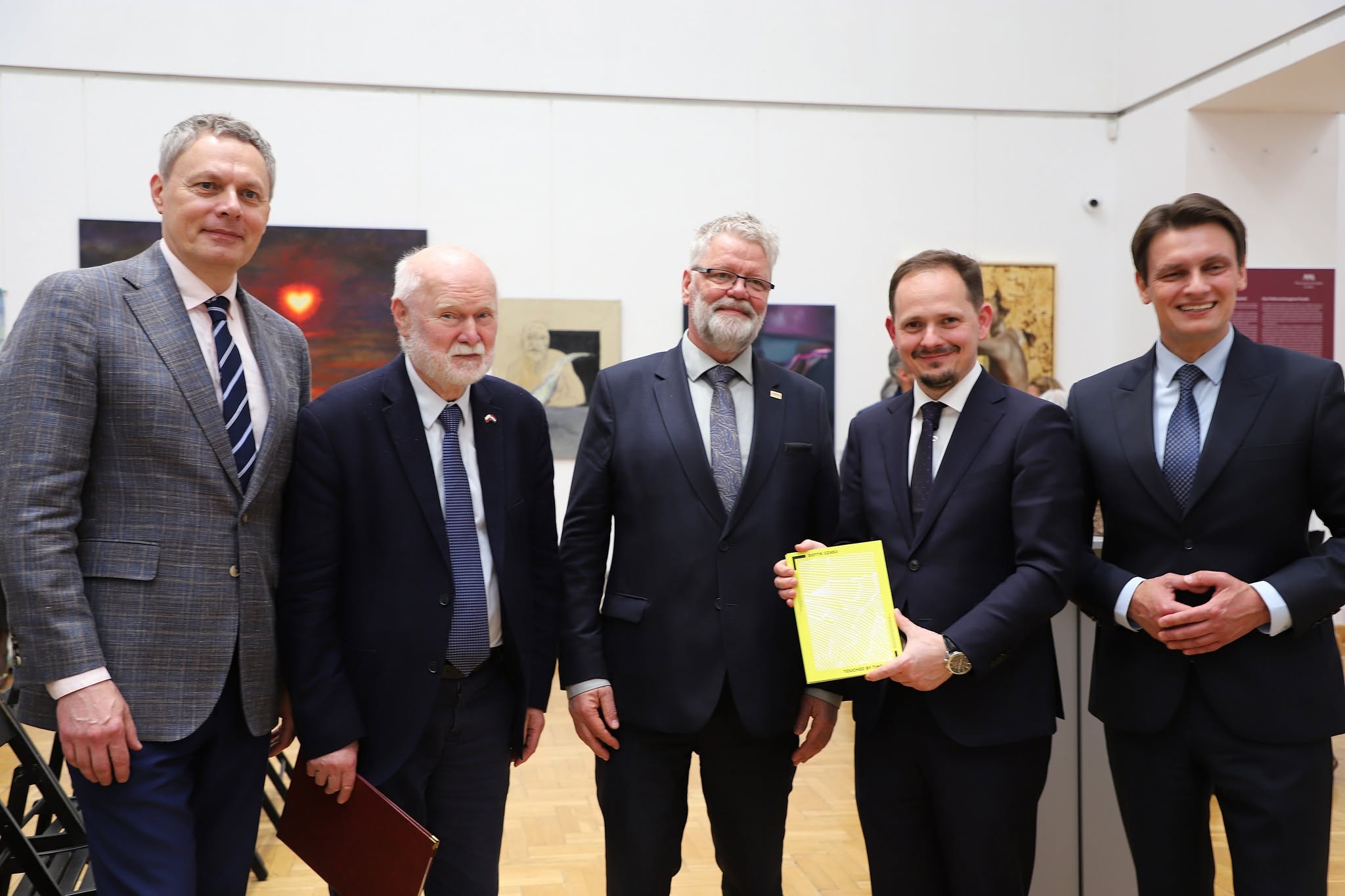
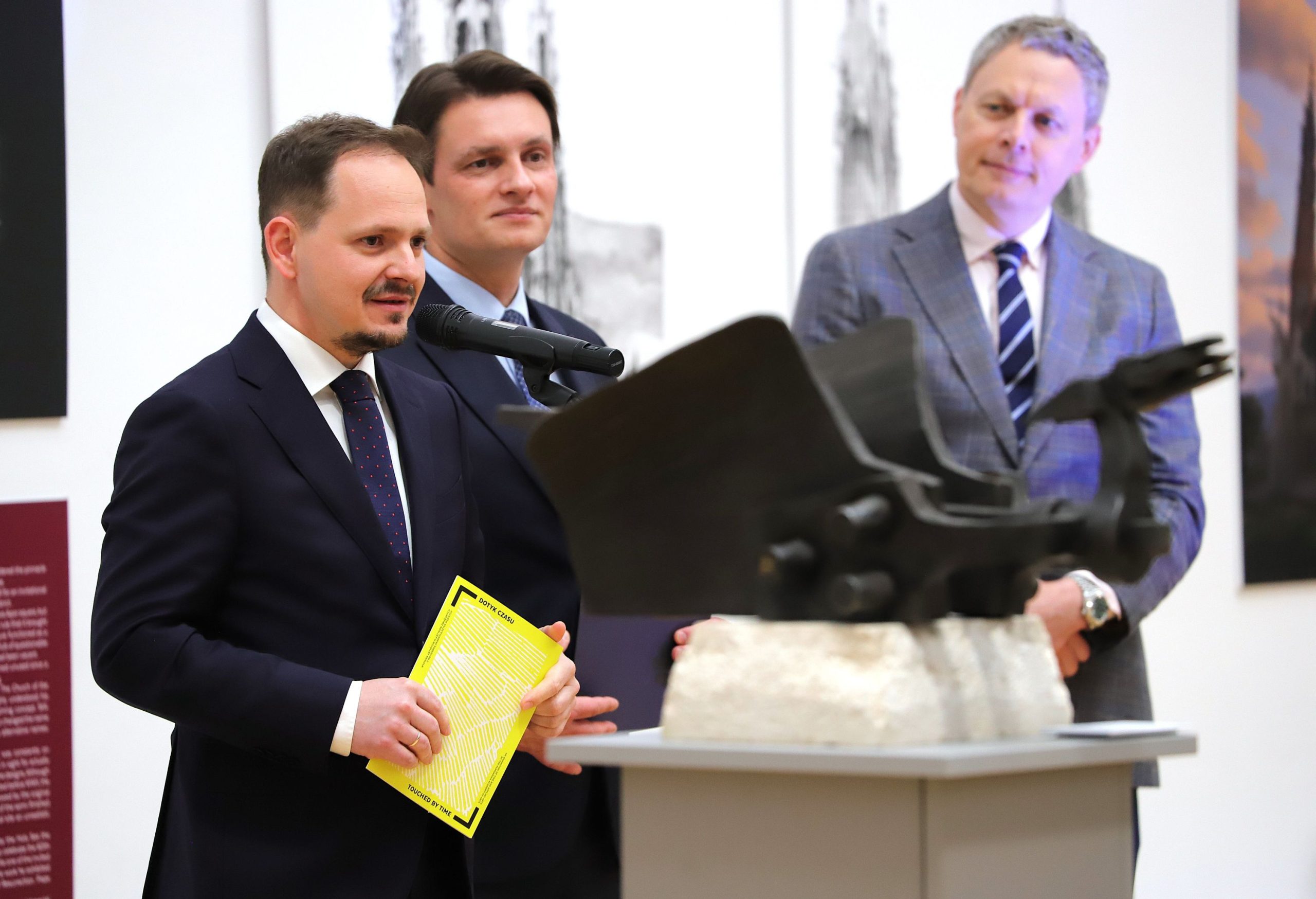
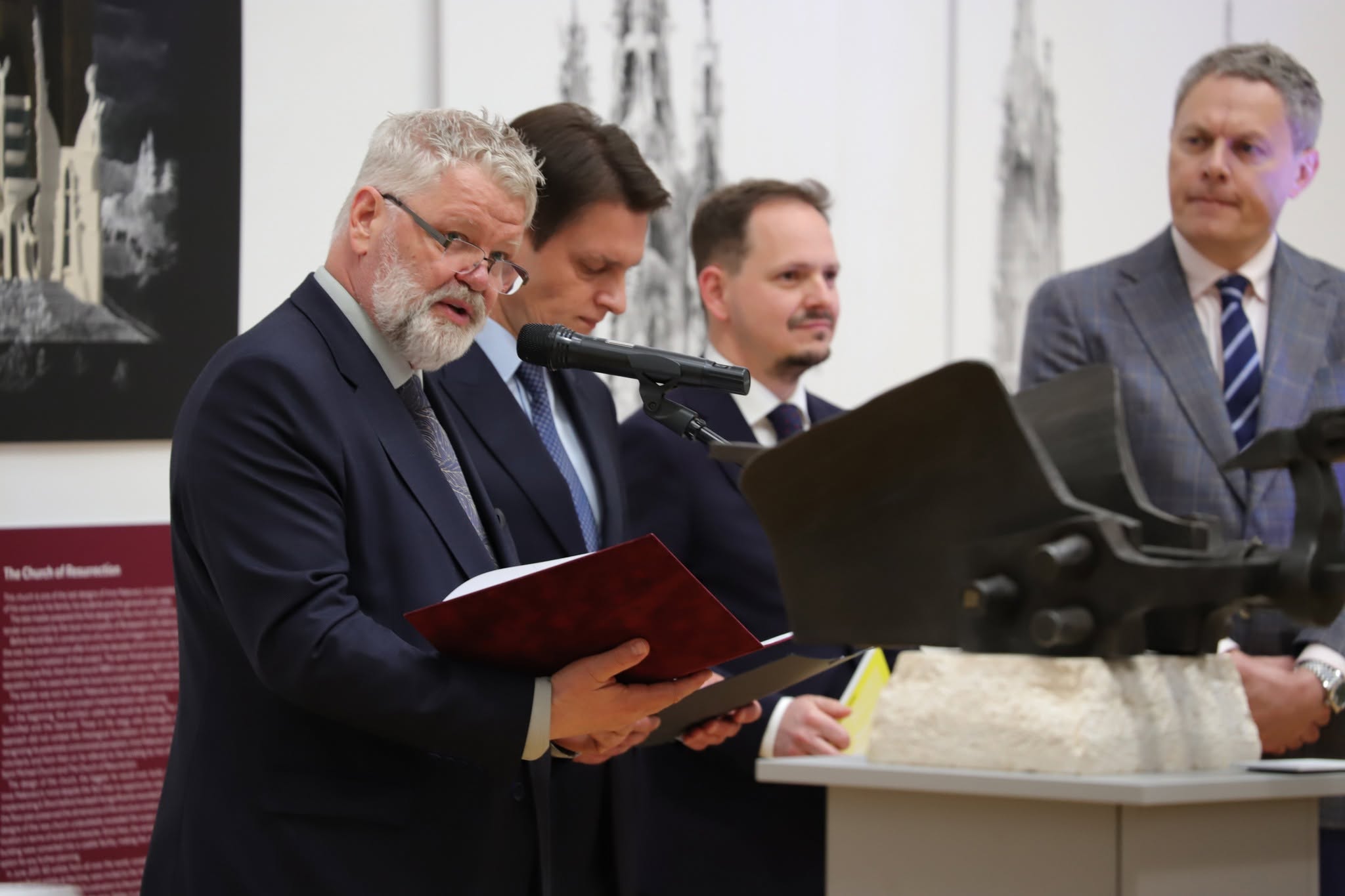
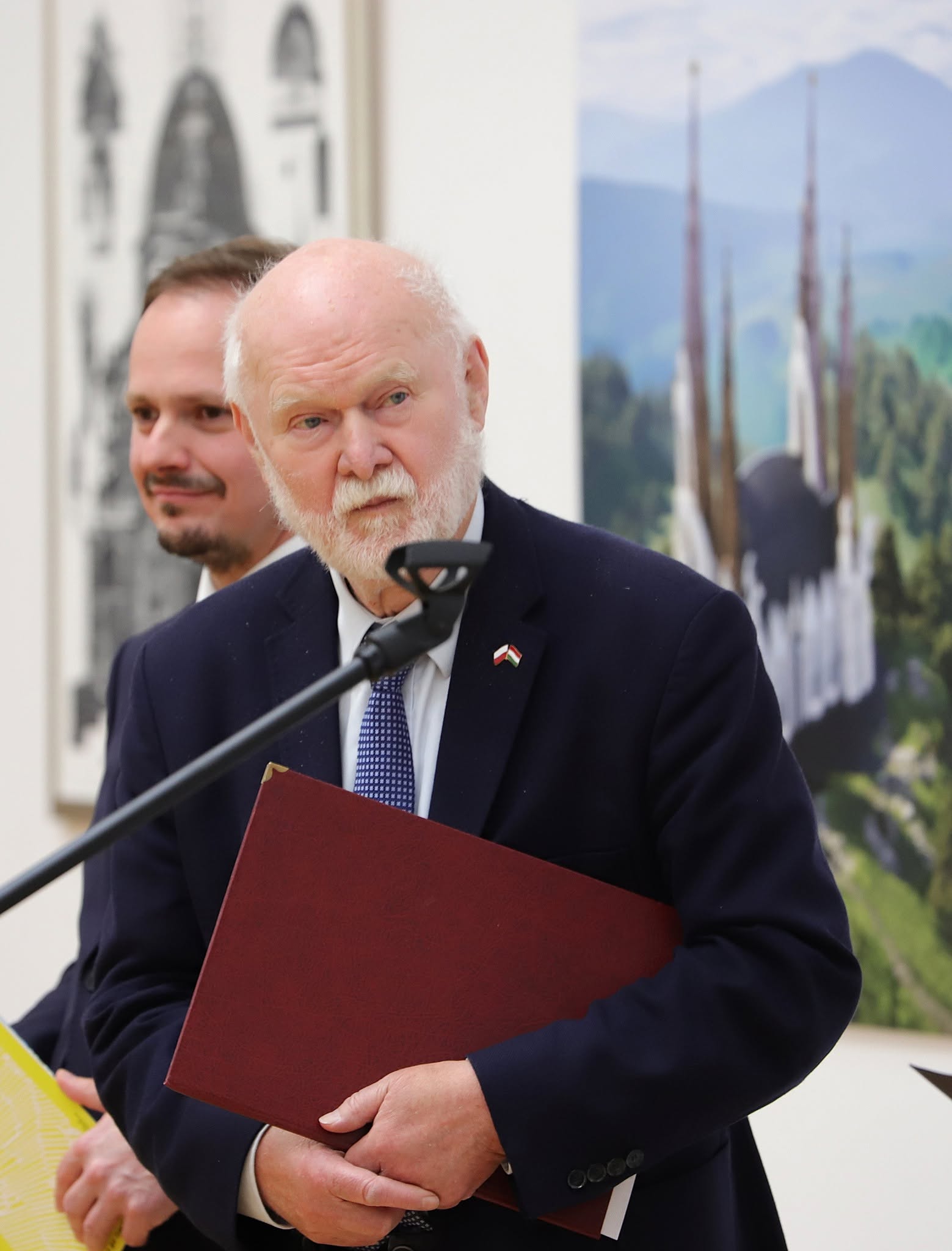
On the opening day, 11 June, Attila Turi – President of the Hungarian Academy of Arts, István Kovács – Chairman of the Committee for International Relations of the Hungarian Academy of Arts, Tibor Gerencsér – Consul General of Hungary in Kraków, Przemysław Witek – Director of the Society of Friends of Fine Arts in Kraków and Director of the Palace of Fine Arts, and Mariusz Korkosz – President of the Society of Friends of Fine Arts in Kraków delivered their opening remarks. Among the representatives of the Hungarian Academy of Arts, Secretary General Gábor Richly and board member Sándor Buglya were also present.
Przemysław Witek welcomed all the attendees in his opening speech and expressed his delight in the fact that the historically rich city of Kraków can host this diverse, large-scale exhibition and screening by the Hungarian Academy of Arts, displaying contemporary Hungarian art and honoring the Polish-Hungarian friendship.
Attila Turi highlighted the following in his welcoming speech: “Today is a special day. Not only because an exhibition is about to open before us, but because it is a day when two nations, sharing a bond through history, culture, and ethos, meet once again. The people of Poland and Hungary have been together through both success and hardships, which is most likely how we understand each other’s languages, even when expressing ourselves not through words, but art. The title of the exhibition, “Touch of Time”, reminds me first of the special connection between art and time. It encapsulates memories of the past, responds to the questions of the present with sensibility and is able to address the future. The work of an artist can be truly significant if it can transcend the time it was created in, forming a bridge above the gap between generations. The works of artists presented by the Hungarian Academy of Arts embody this continuity.”
Historical remembrance serves as the spiritual foundation of the exhibition. The displayed works recall memories from the intertwined past of the two nations: the legacy of saints worshipped by both people, common rulers bestowed upon another, and every pivotal point in the history of this brotherhood. The virtual display of St. Michael’s Church in Felső-Krisztinaváros, designed by Imre Makovecz, is the focal point of this exhibition meant to represent this historical continuity, as pointed out by Attila Turi. The plans and drafts of the founding president are most significant. To this day, the legacy of such a master of organic architecture has an effect on how the Academy functions.
In his speech, István Kovács recalled his memories and experiences connecting him to Kraków, from his time being a tourist, scholarship holder, and diplomat. The Chairman of the Committee for International Relations has spent roughly seven years of his life in the Polish city. He spent whatever time was available to account for every memorial, church, museum, gallery, and exhibition with ties to Hungary in Kraków. He took note of an exhibition from 2000, also displayed at the Palace of Fine Arts, which was the most influential to him: “This exhibition showed photographs of the prisoner heroes from the 1956 revolution as well as photos taken of the abandoned, overgrown tombs of the executed alongside pictures of Budapest shot to pieces. On display were also the portraits of three Polish scholars studying in Hungary in 1956, who have voluntarily joined the National Guard during the revolution. It has always been easier to strengthen the Polish-Hungarian brotherhood during hardship, compared to times of peace and prosperity. To achieve this, we need to have awareness beyond emotions, daily tasks to be done, and institutions and people ready to take action such as the Palace of Fine Arts in Kraków and those who work here. For that, I thank you all!” – said István Kovács, finishing his remarks.
Actor and corresponding member of the Hungarian Academy of Arts Ádám Lux performed the poem Fordított halotti beszéd a jövőből (lit. Reversed Eulogy From the Future) by Imre Oravecz, part of the anthology of the Academy’s Literature Department titled „…időmértéket hord a szél…” (lit. „…the wind carries quantity…”) in relation to its publication in Poland.
The exhibition is open to the public until 26 July 2026 at the Palace of Fine Arts in Kraków (Kraków 31-011, Szczepański Square 4.)
Photography by Melinda Szathmáry / Hungarian Academy of Arts
Galéria




 Újdonság!