


Hungarian Academy of Arts Opens Intergenerational Fine Arts Exhibition in Vienna
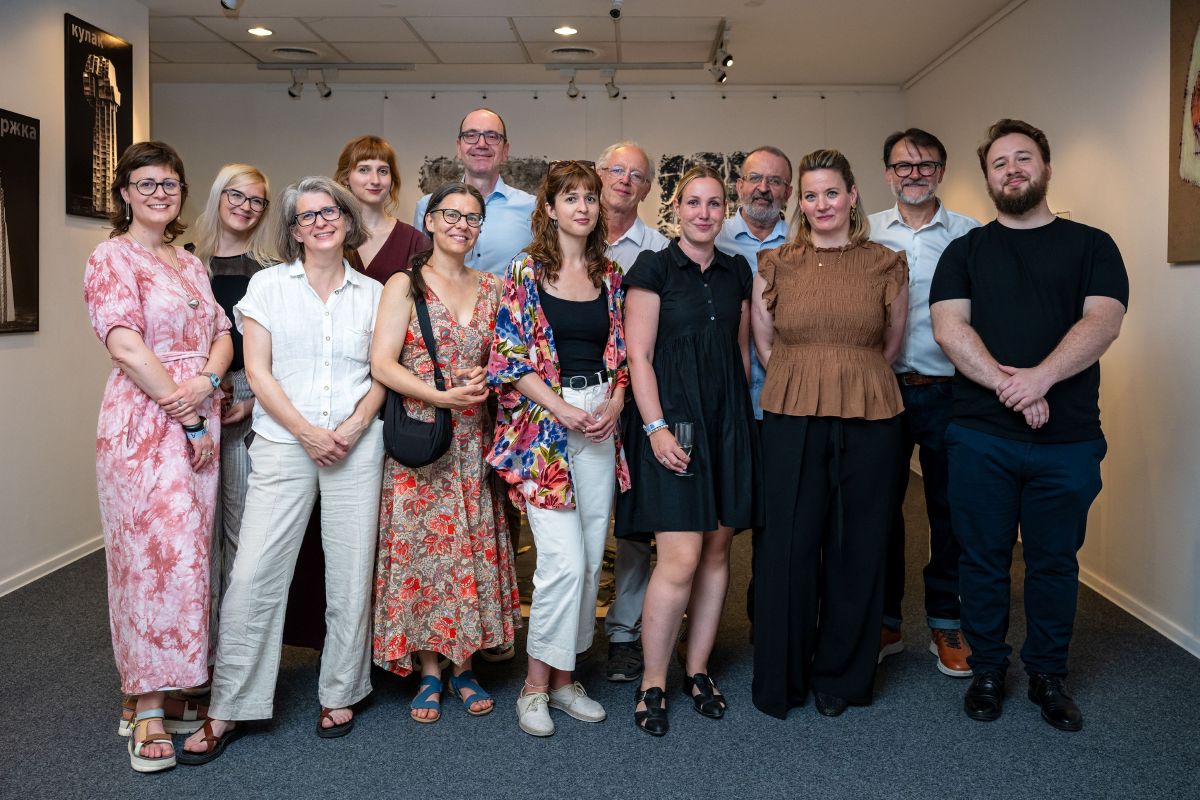
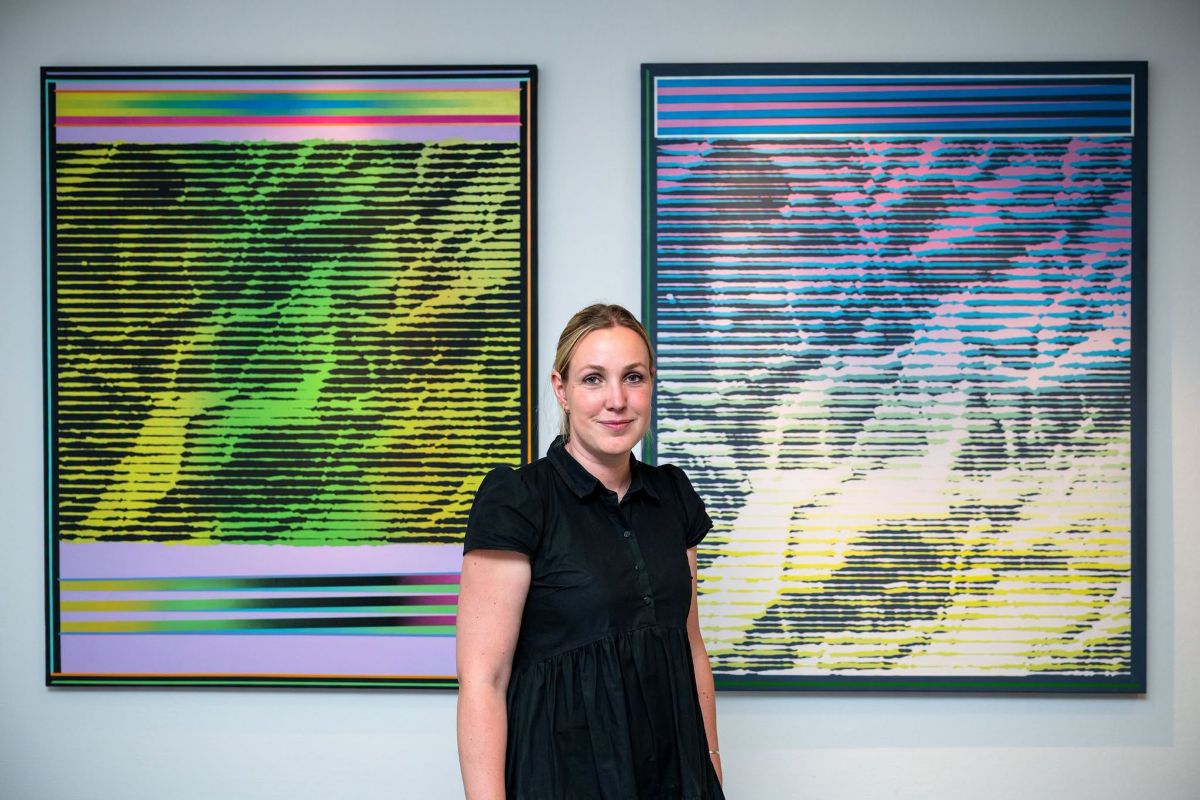
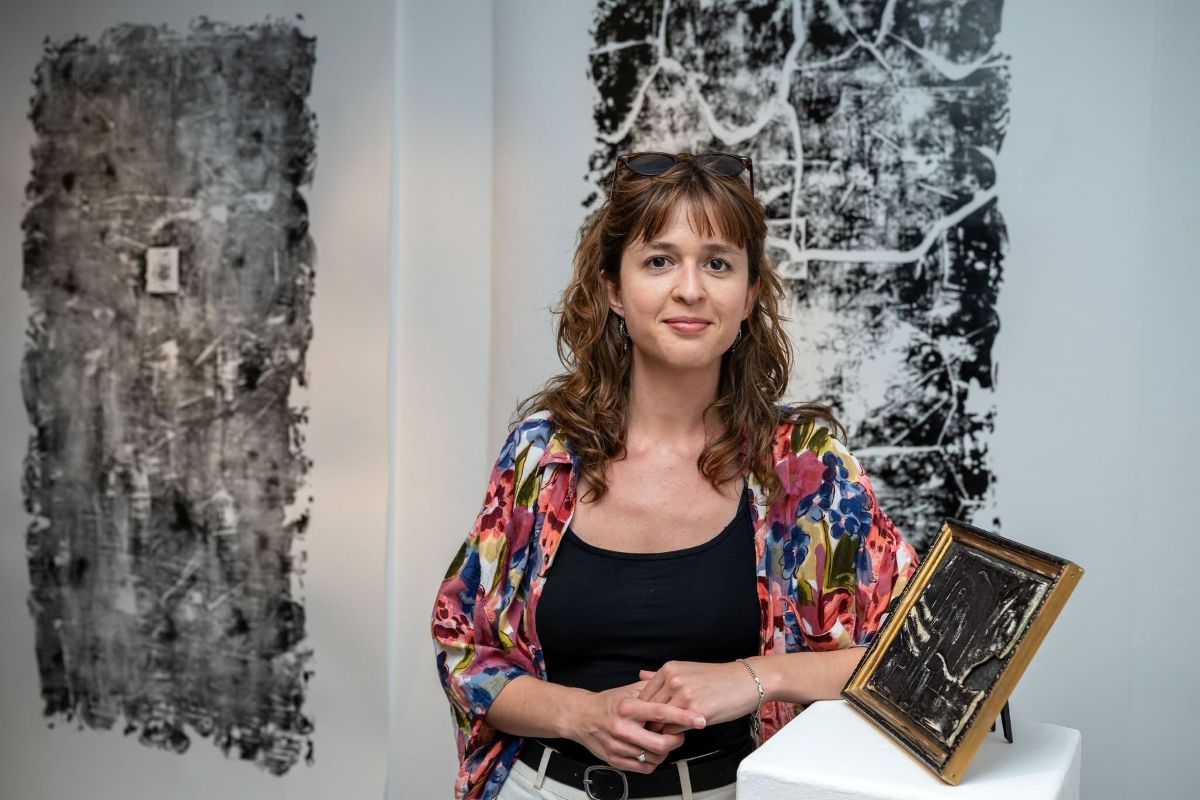
The exhibition, titled Lines of Influence/Hatásvonalak, displays around 40 artworks by renowned Academy members, as well as younger and mid-career artists, scholarship recipients of the Hungarian Academy of Arts. Housed at Collegium Hungaricum Wien, the exhibition showcases the multi-layered relationship between different generations and artistic mindsets. It was made possible by the long-term partnership between the Hungarian Academy of Arts and the Cultural Department of Lower Austria.
Curated by Tibor Iski Kocsis, the exhibition focuses on materiality, memory, perception and the possibilities of contemporary visual language. The artworks engage in dialogue with one another, thus creating a complex field of tension between tradition and innovation, and between experience and experimentation.
The exhibiting artists approach the questions of contemporary life through different art forms and with varying attitudes. Their works are characterised by a direct, often conceptually charged relationship with material, the layered nature of personal and shared memory, and an effort to push the boundaries of visual language. In the artistic practice of the older generation, the reduction of form, and the autonomy of structure and materials play a prominent role. In contrast, in the works of the younger artists, issues of identity, perception, and intermediality become the focal point. However, these differences do not separate the artistic positions presented, but rather link them together: subtle resonances, recurring motifs and conceptual parallels emerge between the works.
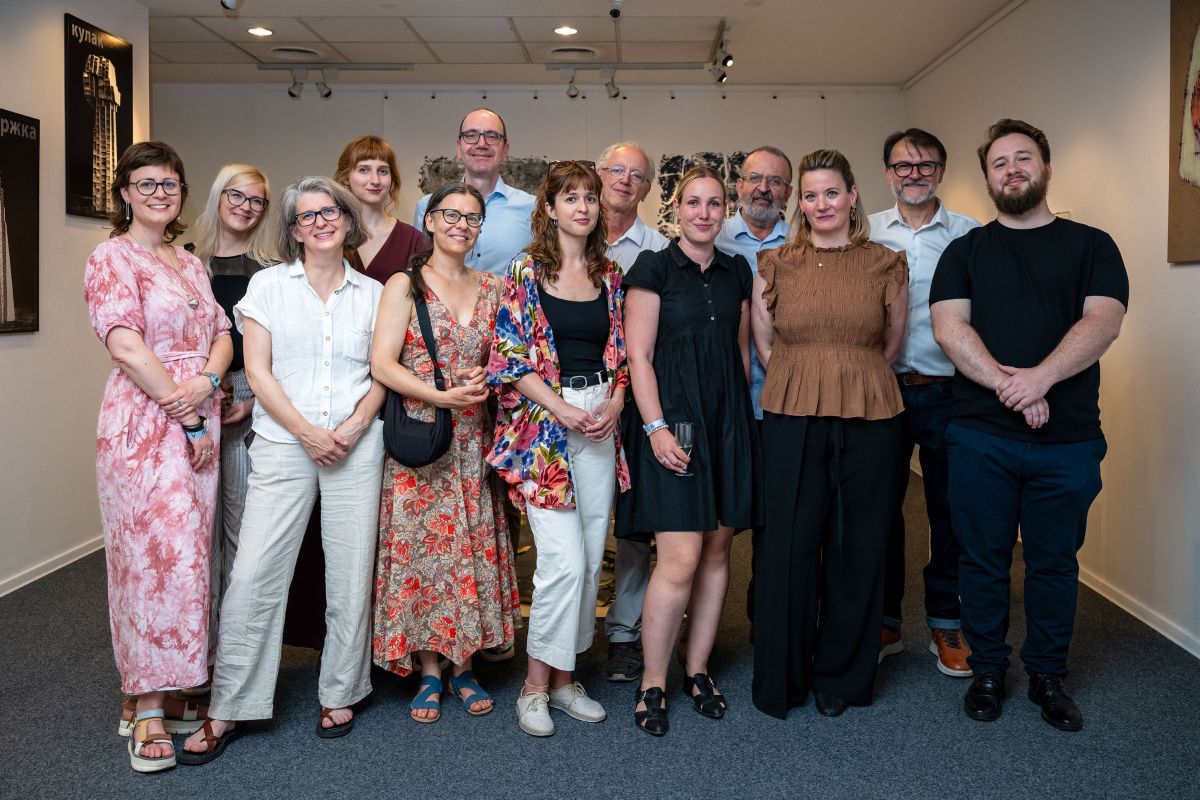
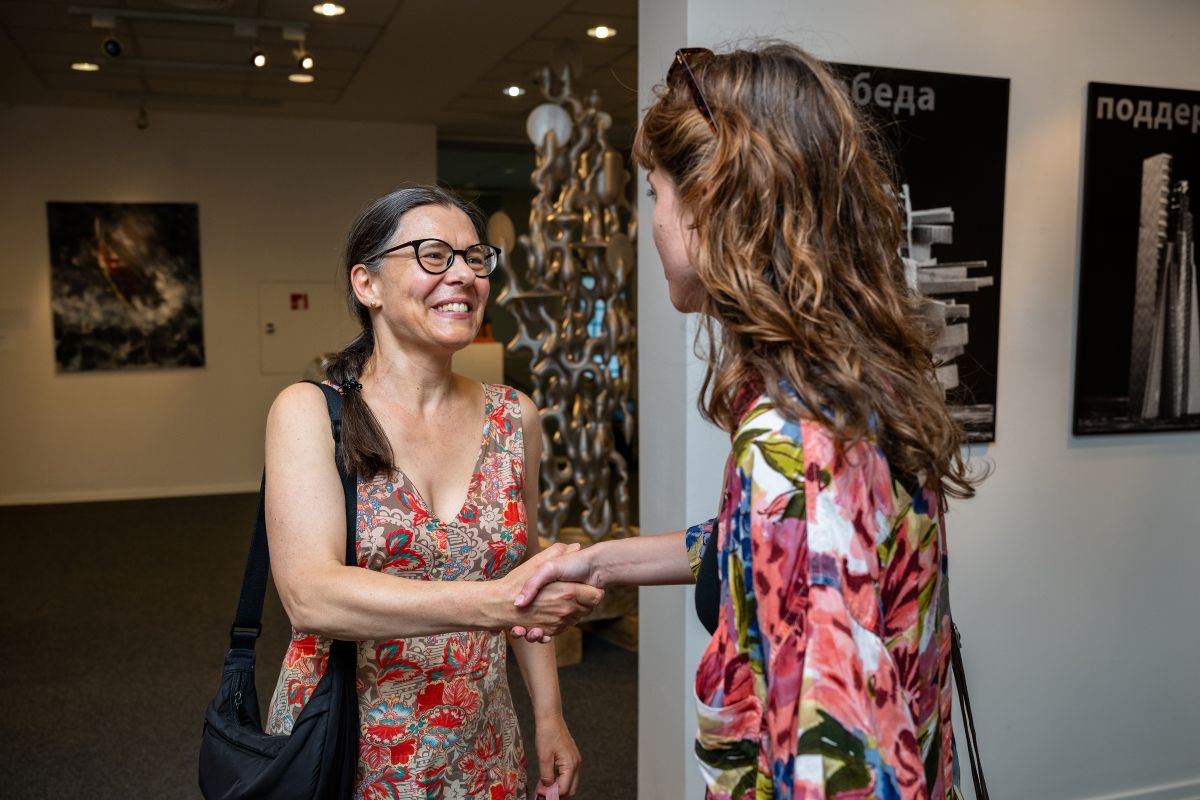
At the opening event on 24 June 2026, Márton Barabás, Tibor Iski Kocsis, and György Verebes visual artists were present, representing the Hungarian Academy of Arts. Among the featured artists, recipients of the academy’s scholarship Annamária Gáspár, Bea Kusovszky, Vivien Reining and Dorottya Szabó also attended the opening event.
Márton Méhes, Director of Collegium Hungaricum Wien, welcomed those in attendance. He noted that the cooperation between the State of Lower Austria and Hungary has a long history and has been strengthened through numerous joint initiatives. An example of this is the scientific partnership agreement between the State Collections of Lower Austria and the Hungarian National Museum. As part of the 2023 European Capital of Culture programme, multiple joint events were held in the Veszprém-Balaton region, such as concerts in Veszprém and in Krems. In the last few years, this partnership also extended to heritage conservation. The Hungarian Academy of Arts also organised the exhibition titled Young Hungarian Contemporaries in 2024, held at the Ausstellungsbrücke Gallery in St Pölten. The exhibition featured six young Hungarian artists. In 2025 the State of Lower Austria organised the Vom Glanz der Schönheit (lit. The Glory of Beauty) exhibition in the prestigious building of the Pesti Vigadó. Concluding his opening speech, the director noted: “After its debut in Collegium Hungaricum Wien, we hope to see Lines of Influence displayed in the Ausstellungsbrücke Gallery of St. Pölten as the next milestone in our successful, long-term cooperation with the Hungarian Academy of Arts.”
Following the opening remarks of Márton Méhes, György Verebes – painter, member of the Hungarian Academy of Arts, President of the Hungarian Academy of Arts Regional Workshop of Kecskemét and head of the Artists’ Colony of Szolnok – delivered the opening speech: “This exhibition is not a presentation, but a meeting. A meeting of different artistic languages. A meeting between experience and renewal. A meeting of artists who have begun their journey at a different time, yet still carry the same artistic traditions and cultural responsibilities. And lastly, a meeting with the eternal creator deep within us, who is able to constantly give life to something new, to frame the untamed, to turn noise into music, to formulate speech out of sounds, and to shape the movements of a dance out of the flexing of muscles.”
György Verebes also highlighted how the curatorial concept of Tibor Iski Kocsis emerges from the revelation that the history of art is, in fact, a history of influences, reflections, responses, and reinterpretations. The aim of this exhibition is not to present different styles or movements, but to explore how experience and experimentation, tradition and innovation, and remembrance and presence shape each other.
The renowned artist pointed out the following: “In the history of art, the most important influences are usually subtle. They take the form of gestures, shared reflection, not declarations. They reveal themselves through paying attention to one another and understanding each other’s works. These are the lines of influence that shape not only artworks but communities as well.”
György Verebes quoted Robert Henri, one of the most influential art educators of the 20th century, according to whom “we must realise that artists are not in competition with each other“.
Elaborating further, György Verebes noted, closing his remarks: “This sentiment rings especially true for this exhibition. Every generation must come to the realisation that, in a healthy cultural environment, they exist not in opposition to one another, but through one another. The experience, wisdom and artistic memory of the senior artists are just as important as the sensibility, experimental spirit and ever-questioning attitude of the younger creators. True cultural continuity is born not from similarity, but through dialogue. The exhibition on view today is a testament to that dialogue.”
The exhibition is open until 4 September 2026 in Collegium Hungaricum Wien (1020 Vienna, Hollandstraße 4.).
Featured artists: József Baksai, Márton Barabás, Lajos Csontó, Ádám Farkas, József Gaál, Péter Gálhidy, Annamária Gáspár, Gergő Kovách, Bea Kusovszky, Tamás Melkovics, Vivien Reining, István Sinkó and Dorottya Szabó.
Galéria








 Újdonság!